Case Report: Canine Xylitol Toxicity
Read this case report from Bridgetown Veterinary Emergency and Referral to learn how a 2-hour hemoperfusion treatment helped a dachshund mix recover from xylitol toxicity and return home in less than 24 hours.
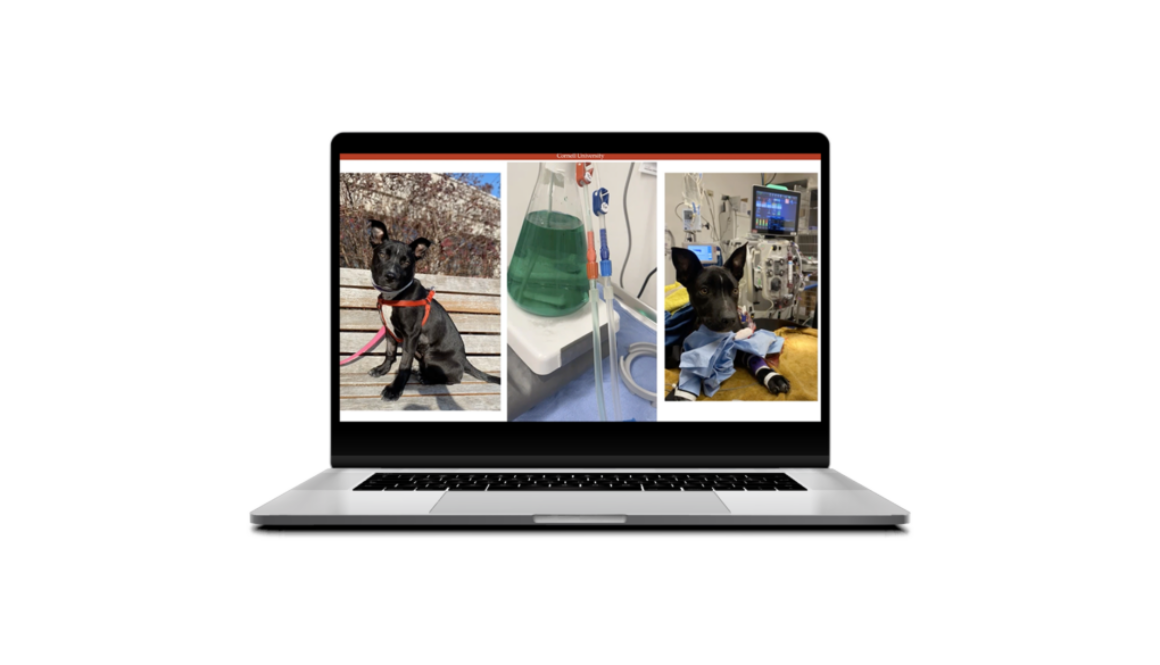
In this case report, learn how the team at Eclipse Specialty and Emergency Pet Care used hemoperfusion and dialysis to successfully treat a 2-year-old mixed-breed dog following baclofen ingestion.
Watch this webinar now to learn how and when poisoned patients may benefit from advanced hemoperfusion (blood filtration) treatment.
Hemoperfusion has become an increasingly valuable tool in the management of severe toxicities, offering a targeted approach to toxin removal when traditional medical management alone may be insufficient. As one of the most versatile extracorporeal therapies in veterinary medicine, hemoperfusion plays a critical role in supporting recovery and reducing the risk of long-term organ damage.
In this webinar, Dr. Ben Davidson walks through real-world cases to demonstrate how hemoperfusion is used in clinical practice for a range of common intoxications. Drawing on practical experience, he covers the basics of hemoperfusion treatment, patient selection, and considerations around when referral may be appropriate, helping attendees better understand how hemoperfusion fits into modern toxicity management strategies.
Key Talking Points Include:
Learn how a combination of dialysis and hemoperfusion helped a Doodle recover from multi-drug ingestion (including a toxic dose of carprofen) and return home after just one night of hospitalization.
Watch this webinar now to explore how hemoperfusion technology is transforming the management of veterinary toxicities.
Toxicities remain one of the most common reasons for emergency veterinary visits. Unfortunately, many animals aren’t presented until hours or even days after ingestion – by which point the likelihood of a positive outcome may be diminished. Hemoperfusion, a blood-filtration technique that uses adsorption to capture and remove a wide range of toxins, provides a life-saving option when standard medical management isn’t enough to prevent severe complications or death.
Featuring an expert discussion of newly released consensus guidelines on toxicity treatment, this on-demand webinar explores how hemoperfusion technology is transforming the management of veterinary toxicities.
Key Talking Points Include:
Stay up to date with the latest expert recommendations on using hemoperfusion for treating toxicities in veterinary medicine.
Authors: Emmanuelle M. Butty1, Jeff Barnes2, Erica Reineke3, Cedric Dufayet4, Jiwoong Her5,
Larry D. Cowgill6,7
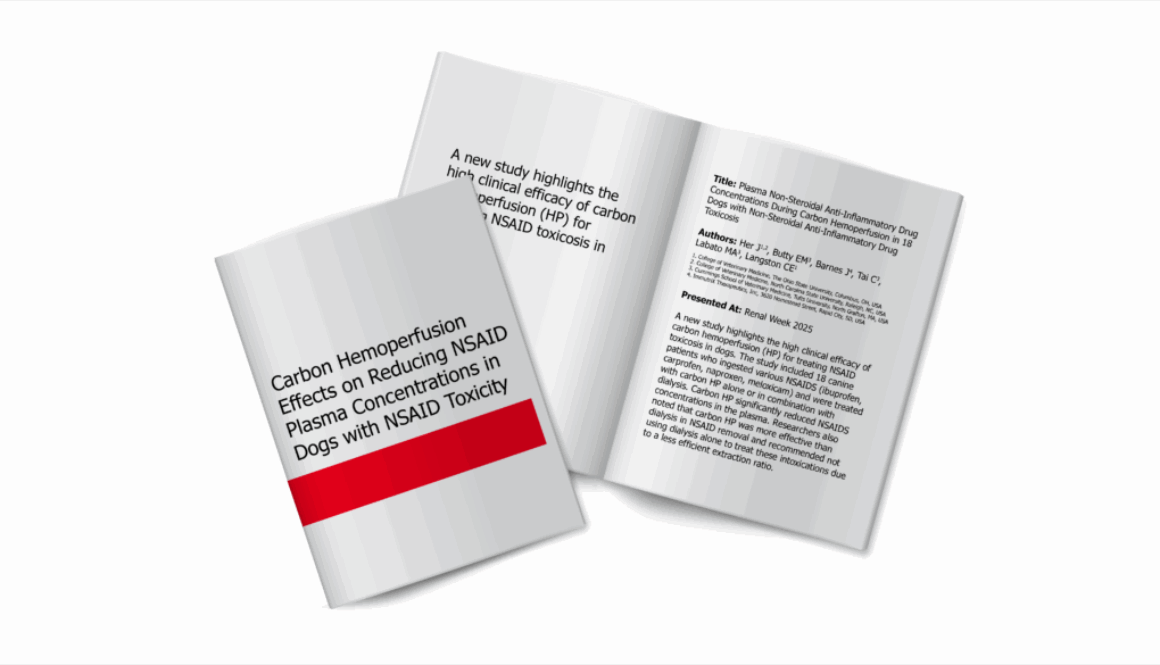
These new guidelines explore the role of hemoperfusion in veterinary toxicology – detailing current technology, comparisons to other extracorporeal therapies, a table of toxic doses and key pharmacokinetics for commonly encountered drug overdoses, and expert treatment recommendations.
Published In: The Veterinary Journal. Volume 315, https://doi.org/10.1016/j.tvjl.2025.106519
Watch this free webinar to explore real-world case studies showcasing the power of hemoperfusion in treating toxicities quickly and effectively.
According to the ASCPA Animal Poison Control Center’s (APCC) 2024 report, over-the-counter medications remain the leading reported cause of toxicities in pets. Human prescription medications are also a major contributor, ranking third (behind food and drink).
Carbon hemoperfusion (HP) is a novel extracorporeal treatment that can treat many of these common toxicities quickly and effectively, hastening recovery and minimizing organ damage compared to standard treatments.
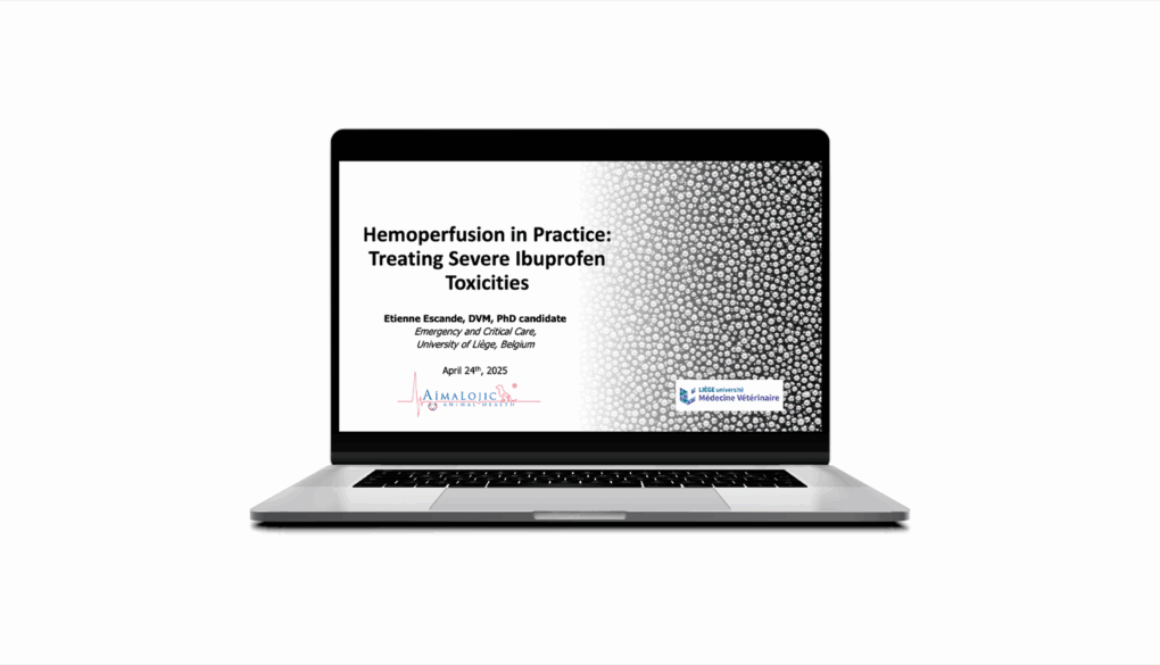
Watch this free webinar now to learn which patients may be good candidates for HP, what benefits this treatment offers, and how it’s performed. Real-world case reports will illustrate this treatment’s effectiveness for treating a wide range of drug toxicities, from NSAIDS to baclofen
Key Talking Points Include:
When this Bernese Mountain Dog ingested 14 times the therapeutic dose of meloxicam, learn how the team at The Ohio State University Veterinary Medical Center used a combination of hemoperfusion and dialysis to help him make a full recovery and return home the next day.
In this case report from Old Growth Veterinary Emergency and Critical Care (OGVECC), learn how hemoperfusion helped a Siberian Husky, who ingested an estimated 100 carprofen tablets, recover enough after just a two-hour treatment to stand, walk, and eat again.
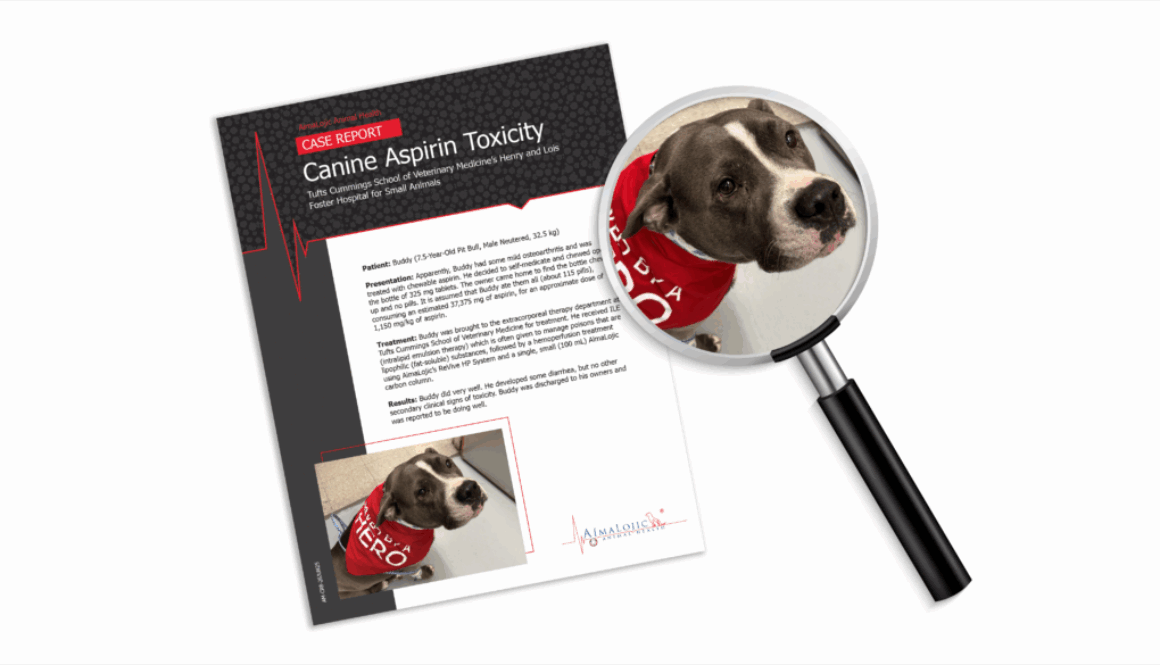
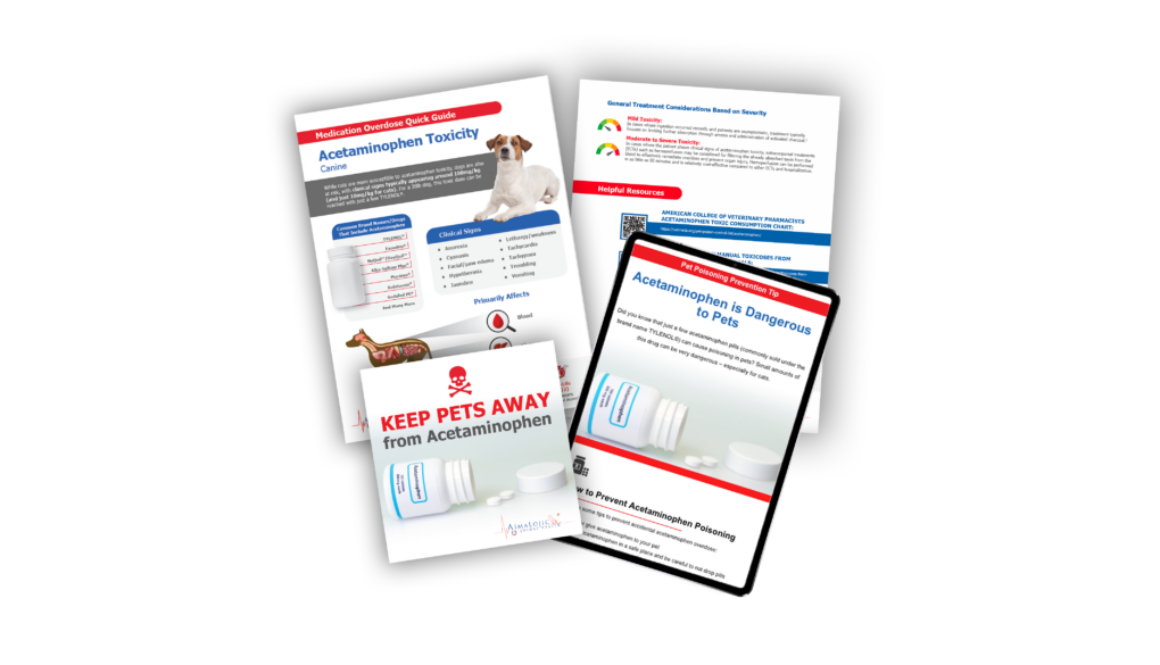
Download this free toolkit to equip your team and clients with information about preventing and managing aspirin overdose.
Brush up on basic pharmacokinetics and current treatment options for aspirin toxicity with this new clinical quick guide. Plus, educate pet owners about the dangers of aspirin with a ready-made email and social media post.
Copyright © 2025 Aimalojic. All rights reserved
“Except as permitted by the copyright law applicable to you, you may not copy, adapt, use, reproduce, communicate or commercialise any of the content on this website without the prior writte permission of the copyright owner.